
Shamrock Precision | Precision Manufacturing for Texas Oil and Gas Since 1981
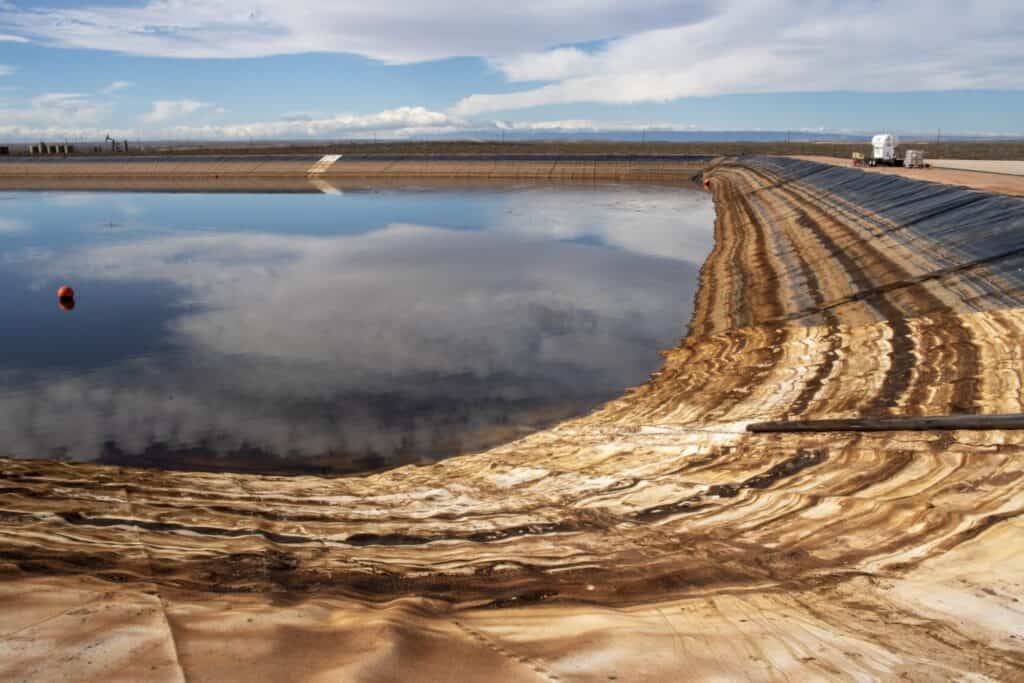
The Permian Basin's production record conceals a second, far less celebrated one. In 2024, the basin generated more than 20 million barrels of produced water every single day, a saltwater-and-chemical-laden byproduct of hydraulic fracturing that operators must dispose of safely, continuously, and at escalating cost. That volume is projected to reach 26 million barrels per day by 2030. For years, the industry managed Permian Basin produced water quietly, treating disposal as an operational line item rather than a structural challenge. That changed in 2025. The Railroad Commission of Texas formally acknowledged that disposal operations had created widespread underground pressure problems threatening freshwater resources, mineral rights, and production across the basin's most prolific zones. Shamrock Precision, a Dallas, TX precision manufacturer serving the oil and gas industry since 1981, has worked alongside Permian operators through multiple cycles of technical and regulatory disruption. What follows is the clearest breakdown of why produced water has become the Permian's most urgent operational problem.
By the numbers: The Permian produces 3–5 barrels of produced water for every barrel of crude. At 6.5 million BOD, that's up to 32.5 million barrels of wastewater per day — more than the daily water consumption of most U.S. cities.
What Is Produced Water and Why Does It Matter in the Permian?
Produced water is the saltwater, chemicals, and hydrocarbons that return to the surface during oil and gas extraction. In conventional plays, volumes are manageable. In hydraulic fracturing operations, which define Permian Basin production, the water-to-oil ratio is the critical variable. For every barrel of crude the Permian produces, operators pull three to five barrels of produced water to the surface alongside it.
At 6.5 million barrels of oil per day, that ratio generates between 19.5 and 32.5 million barrels of wastewater daily — a volume that dwarfs the daily water consumption of most American cities and must be handled, transported, and disposed of in an arid West Texas landscape with limited natural water management infrastructure. The U.S. Geological Survey documented the scale of Permian water use extensively, confirming that water volumes tied to oil and gas development grew dramatically through the 2010s and will continue rising as operators drill deeper, more water-intensive formations (USGS Fact Sheet 2021-3053).
The standard disposal method, injecting wastewater deep underground into saltwater disposal (SWD) wells, worked during the early shale boom when volumes were manageable, and disposal capacity was abundant. That era ended.
The Scale of the Permian Basin Produced Water Problem
Operators have now injected so much fluid underground across the Permian that shallow disposal reservoirs are becoming critically overpressurized, pushing force onto thousands of oil wells drilled over the past century and opening pathways for toxic fluid to migrate where it must not go. The consequences are no longer theoretical.
Seismic activity near Pecos, Texas stood at 19 recorded earthquakes of magnitude 1.0 or above in 2009, before the shale boom reached full scale. By 2017, that figure exceeded 1,600 events as injection operations pressurized dormant fault systems. Regulators restricted deep injection in response, pushing operators toward shallower disposal zones. That shift reduced seismic risk in some areas while creating a new failure mode: surface blowouts through abandoned wellbores.
Tens of thousands of wells drilled and plugged across the Permian over the past century were cemented using pre-modern standards. As shallow disposal zones fill, rising underground pressure finds those old plugs and breaches them. Investigators have documented produced water blowouts exceeding 100 feet in West Texas locations where underground pressure has been allowed to compound without intervention, threatening both land and the freshwater aquifers that millions of Texans depend on.

The 2025 Railroad Commission of Texas Regulatory Response
In May 2025, the Railroad Commission of Texas crossed a defining threshold: it formally acknowledged that disposal into the Delaware Mountain Group formation had produced widespread underground pressure increases that may harm mineral and freshwater resources across Texas. New guidelines effective June 2025 limited injection pressure levels and required operators to assess every unplugged well within a half-mile radius of disposal sites, double the prior required distance.
Chevron, BP, Coterra Energy, Waterbridge Operating LLC, and NGL Energy Partners were among the companies receiving formal compliance notices. Coterra's situation illustrated the stakes most directly: the company halted oil production in Culberson County after waste fluids leaked into active producing wells. The produced water management problem had officially moved from an environmental concern to an operational production crisis.
June 2025: RRC new rules require operators to assess all unplugged wells within 0.5 miles of disposal sites (doubled from prior requirement) and cap injection pressure across the Delaware Mountain Group. Non-compliance notices issued to Chevron, BP, Coterra, Waterbridge, and NGL Energy Partners.

What Produced Water Disposal Costs Are Doing to Permian Drilling Economics
The financial impact of tightened disposal restrictions is working through Permian economics in real time. Analysts estimate escalating produced water disposal costs could add approximately $6 per barrel to Permian breakeven prices, a critical figure when WTI trades near $65, and the basin's prior breakeven sat at $62–$64. That single cost increment can flip marginal wells from profitable to uneconomical, particularly in the Delaware sub-basin where water-to-oil ratios are highest and disposal infrastructure is most constrained.
The Dallas Fed Q2 2025 Energy Survey found 74% of Texas oil and gas executives expect produced water management challenges to constrain Permian drilling and completions over the next five years, with 32% anticipating significant constraints. Smaller independent operators face the steepest exposure: large integrated companies can invest in water recycling infrastructure and spread costs across high production volumes. Independents absorb the increase more directly on a per-barrel basis.
Produced water recycling — treating produced water for reuse in future fracking operations — is the industry's most promising long-term solution. Adoption is growing, but costs remain the barrier: treating produced water to reuse standards costs $2.55–$10 per barrel, compared to under $1 for conventional SWD disposal when that option was fully available. That gap narrows only as disposal alternatives become more constrained, not because recycling has become cheap.
The broader economic context, price pressure, tariff impacts, and Permian drilling decisions are covered in depth in Texas Oil and Gas: The Industry's Defining Challenges Yesterday, Today, and Tomorrow.

Well Integrity and Downhole Component Reliability in a Pressurized Basin
The produced water crisis has surfaced an older problem that was easy to ignore when subsurface pressures were lower: the condition of legacy well infrastructure throughout the Permian. Tens of thousands of wells drilled and plugged over the past century were sealed using materials and methods that did not anticipate the pressure loads modern disposal operations now impose on them. Each compromised plug is a potential pathway to the surface for toxic produced water.
Operating in that environment raises the performance stakes on every downhole component. Pressure events that propagate through deteriorating wellbores can stress equipment across an entire active well system. Shear screws that must protect expensive drilling assemblies from unexpected pressure surges must perform exactly as engineered, not close, exactly. The precision manufacturing requirements for these components become more demanding, not less, as subsurface conditions grow more complex.
The USGS confirms the Permian's resource future remains extraordinary: estimated undiscovered technically recoverable resources include 46.3 billion barrels of oil and 281 trillion cubic feet of gas in the Wolfcamp and Bone Spring formations alone (USGS Permian Basin Assessments). Extracting those resources requires solving the produced water problem, not deferring it.
The Downtime Crisis in Texas Oilfields: What Equipment Failure Actually Costs Operators examines how component reliability translates to direct financial outcomes when downhole conditions are deteriorating.
Frequently Asked Questions: Permian Basin Produced Water
1. How much produced water does the Permian Basin generate per day?
In 2024, the Permian Basin generated more than 20 million barrels of produced water daily. At the current 3-to-5 barrel water-to-oil ratio and 6.5 million BOPD production rate, total daily volumes reach between 19.5 and 32.5 million barrels. The U.S. Geological Survey projects this will reach 26 million barrels per day by 2030 as production growth continues and operators move into higher water-cut formations.
2. What is the water-to-oil ratio in the Permian Basin?
The Permian Basin's water-to-oil ratio currently averages 3 to 5 barrels of produced water per barrel of crude oil extracted. This ratio has been rising as operators move into deeper formations like the Wolfcamp and Bone Spring, which carry higher natural water content than the formations drilled during the early shale boom. Rising water cuts are the core driver of the disposal cost problem.
3. How much does produced water disposal cost per barrel in the Permian?
Conventional saltwater disposal well injection costs under $1 per barrel when fully available. As disposal capacity has tightened and regulatory restrictions have increased following the 2025 Railroad Commission guidelines, effective disposal costs have risen significantly. Treating produced water for recycling and reuse in fracturing operations costs $2.55–$10 per barrel, still more expensive than historical disposal, though the gap is narrowing as SWD constraints increase. Total produced water management costs are estimated to be adding approximately $6 per barrel to Permian breakeven prices as of mid-2025.
4. What did the Railroad Commission of Texas do about produced water in 2025?
In May 2025, the Railroad Commission of Texas formally acknowledged that produced water disposal into the Delaware Mountain Group formation had caused widespread underground pressure increases harmful to mineral and freshwater resources. Effective June 2025, the RRC issued new guidelines capping injection pressure levels and requiring operators to assess all unplugged wells within a 0.5-mile radius of disposal sites, double the prior requirement. Multiple major operators received formal compliance notices, and Coterra Energy was forced to halt production in Culberson County after waste fluids migrated into active producing wells.
5. Can produced water be recycled in the Permian Basin?
Yes, recycling produced water for reuse in future hydraulic fracturing operations is the most viable long-term solution to the disposal capacity problem. Adoption rates are growing across the Permian. The barrier remains cost: treatment to reuse standards runs $2.55–$10 per barrel versus under $1 for historical SWD disposal. Wider adoption is accelerating not because recycling has become cheap, but because disposal alternatives have become more constrained and expensive.
Sourcing precision components for Permian Basin operations?
Shamrock Precision has manufactured downhole and oilfield components to tight tolerances since 1981. From shear screws to CNC-machined parts in Inconel, stainless steel, and brass — our ISO 9001 and AS9100 certified shop serves operators who can't afford component failure in a pressurized basin.
Contact Shamrock Precision →
What Permian Operators Need From Their Supply Chain Now
The Permian Basin's produced water crisis has changed the operating environment in ways that will not reverse. Underground pressure conditions have shifted permanently, legacy well integrity is a live operational variable, and regulatory compliance requirements have raised the floor for every aspect of basin operations. Operators who manage these conditions well will extract the Permian's remaining 46+ billion barrels. Those who don't face rising costs, production interruptions, and compliance exposure.
Shamrock Precision has manufactured precision components for the Texas oil and gas industry since 1981. Our shear screws are engineered to protect drilling equipment from the exact pressure events that an overpressurized basin produces, manufactured to tolerances of ±0.0005″ in Inconel, stainless steel, brass, and aluminum. Our CNC machining capabilities, certified to ISO 9001 and AS9100 Rev. D — support the full range of downhole and surface components that Permian operators require.
Contact Shamrock Precision to discuss component requirements for your drilling, completion, and well servicing operations in the Permian Basin.
Related Articles
- Texas Oil and Gas: The Industry's Defining Challenges Yesterday, Today, and Tomorrow
- The Downtime Crisis in Texas Oilfields: What Equipment Failure Actually Costs Operators