
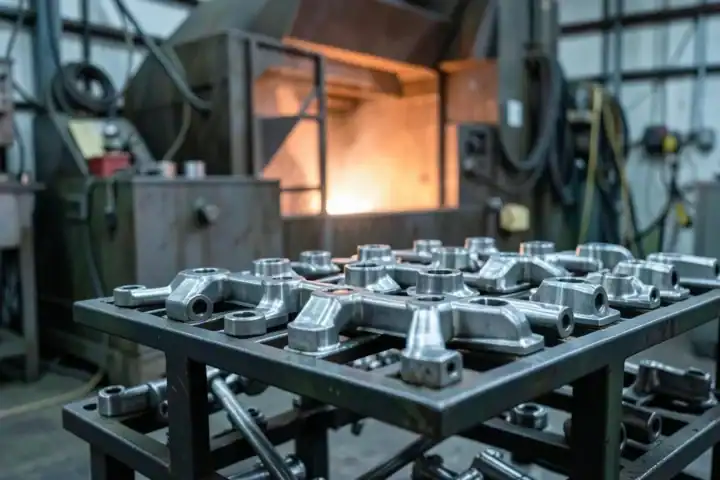
Nadcap Special Processes and AS9100: What Each Audit Covers on a Machined Part
Many machined aerospace parts leave the machine shop for heat treat, plating, or nondestructive testing before they ship. The aerospace industry has long called these steps special processes. Two different...Continue reading→
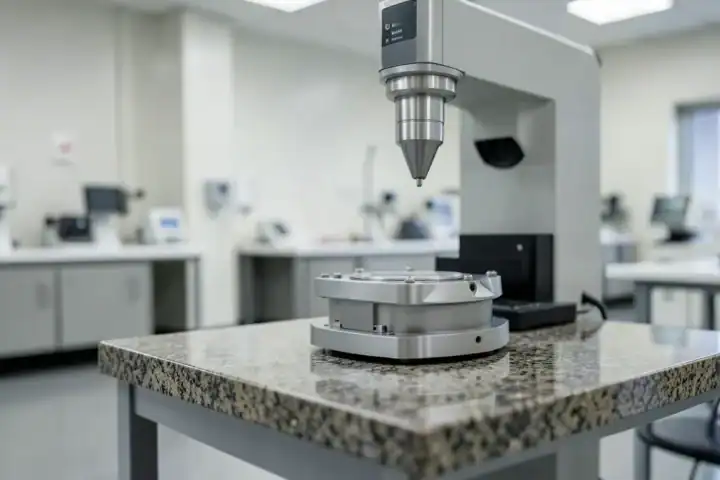
AS9102 First Article Inspection: What the Report Proves and When FAA Guidance Calls for One
An AS9102 first article inspection is a documented check that a new production process makes a part that conforms to its drawing and specifications. The report that comes out of...Continue reading→
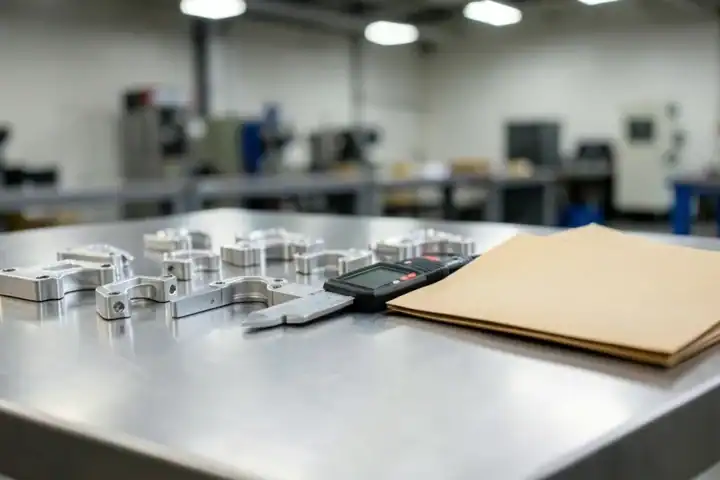
Aerospace Part Traceability: What the Paper Trail Behind a Machined Part Has to Prove
Aerospace part traceability is the ability to connect a finished part to the material it was cut from, the processes it went through, and the inspections that accepted it. For...Continue reading→

Precision vs Accuracy in Machining: The Core Principles of Swiss Machining
If you work with machined parts - whether you're sourcing components for a medical device, an aerospace assembly, or an oil and gas application - you've likely used the words...
Oil Price Forecast 2027: What U.S. Operators Must Know Before Making Capital Planning Decisions
The oil price forecast for 2027 is one of the most contested numbers in energy markets right now – and for good reason. The EIA’s November 2026 Short-Term Energy Outlook...Continue reading→
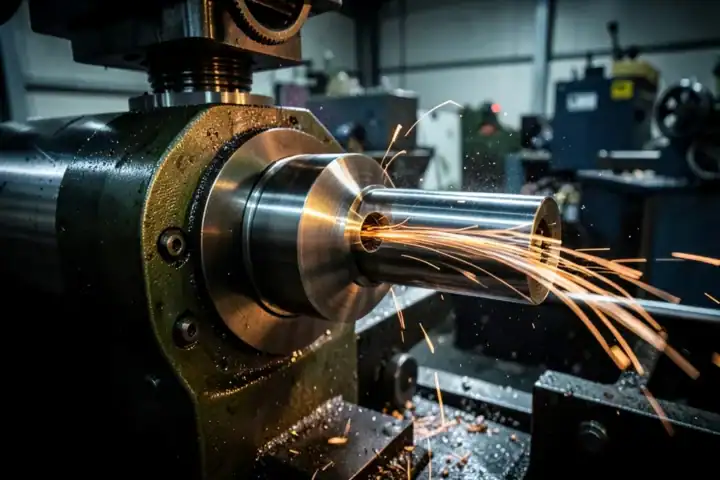
What Drives the Cost of a Turned Part
A turned part is quoted per job rather than priced from a list. Five things on the drawing shape the number: how many setups the geometry requires, the tolerance on...Continue reading→
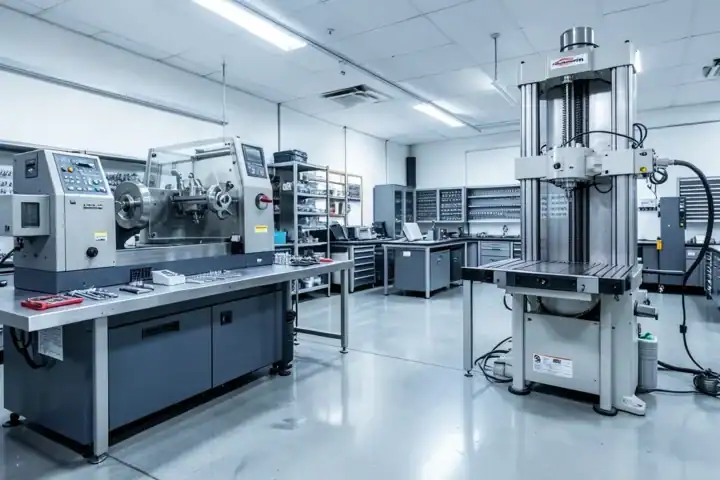
CNC Turning vs CNC Milling: Which Process Fits Your Part
In CNC turning, the workpiece rotates against a fixed cutting tool. In CNC milling, the tool rotates against a fixed workpiece. That single reversal decides which process suits a part:...Continue reading→
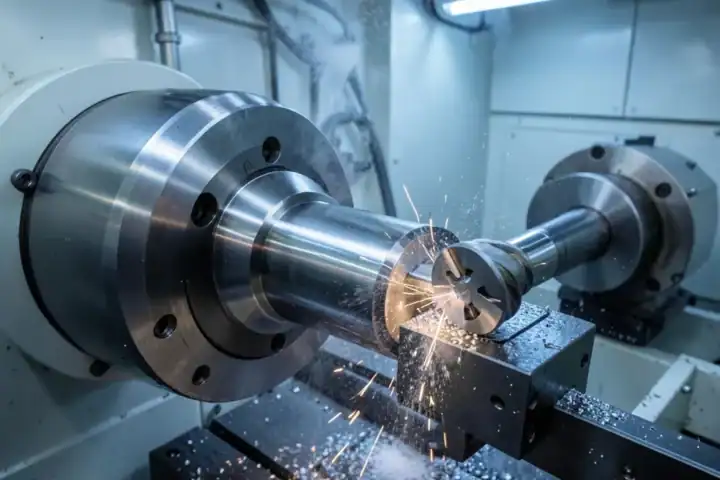
Multi-Axis CNC Turning: What Extra Axes Actually Change on a Turned Part
Multi-axis CNC turning adds milling capability and additional axes of movement to a turning center, so complex features, off-center holes, and contoured surfaces can be machined in a single setup....Continue reading→

The History of Precision Machining: From Antiquity to Modern CNC
If you think precision machining is a product of the digital age, think again. The history of precision machining stretches back thousands of years – from ancient craftsmen shaping bone...Continue reading→
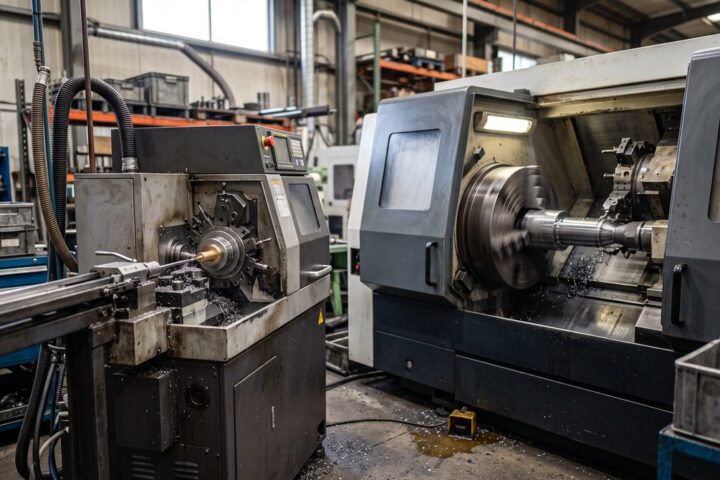
Swiss Machining and Conventional Turning: How the Two Processes Differ for Small-Diameter Oil Field Components
Oil field prints frequently specify small-diameter turned components. Two turning processes are commonly used to produce them, and the published descriptions of each differ on one point: where the material...Continue reading→